Week 14 – September 10 & 12, 2026
Delivery dates: September 10 & 12, 2026
Roast one pumpkin. Make two dinners. Week 14 brings Hakurei salad turnips, carrots, potatoes, sweet peppers, onions, leeks, a pie pumpkin, cherry and/or slicer tomatoes, ground cherries, and beets — the first pumpkin of the season, and the start of proper fall cooking.
🎃 The First Pumpkin of the Season
Section titled “🎃 The First Pumpkin of the Season”This week brings the first pie pumpkin of the fall — smaller and sweeter than the carving kind you’ll see at the farm stand come October, and grown for eating rather than jack-o’-lanterns. Roasted, it turns into smooth, deeply flavoured flesh that works just as well in a pasta bake as it does in a grain bowl.
We’ve built this week’s meal plan around getting two dinners out of it. Roast the whole thing once — see This Week, Handled below.
This Week, Handled
Section titled “This Week, Handled”Let us take a few decisions off your plate.
Here’s one practical way to turn this week’s bin into meals, with one grocery list and a backup for the night cooking just isn’t happening.
Designed for about 4 people. Adjust quantities for your household.
This week’s lesson: roast one pumpkin, make two dinners. Meal 1 roasts the whole pie pumpkin for a Pumpkin, Chicken & Leek Pasta Bake — with enough set aside on purpose to shortcut Meal 2’s grain bowls later in the week.
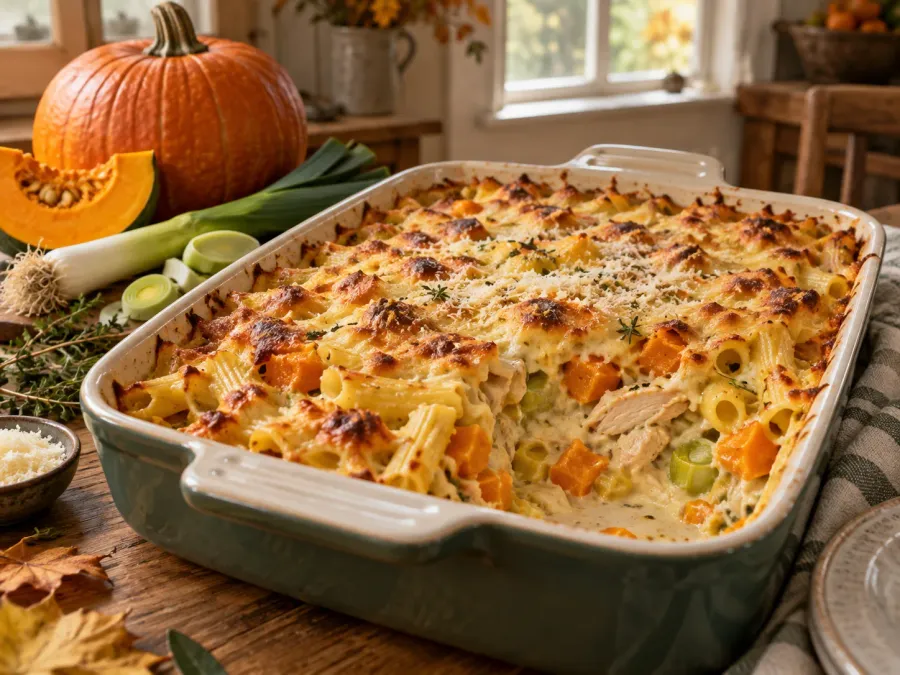
Pumpkin, Chicken & Leek Pasta Bake
Uses: Pie Pumpkin · Leek · Onion · Chicken · Pasta
Preheat the oven to 400°F. Halve the pumpkin, scoop out the seeds, and roast cut-side down on a sheet pan for 35–45 minutes, until a fork slides in easily. While it roasts, cook the pasta, and sauté sliced leek and diced onion in a little butter or oil until soft. Add diced or shredded cooked chicken, then stir in cream (or milk) and grated Parmesan to build a simple sauce.
Scoop out the amount of roasted pumpkin the pasta bake needs — about 2 cups, cubed or mashed — and stir it into the sauce with the pasta and chicken. Transfer to a baking dish, top with a little more cheese, and bake at 375°F for 15–20 minutes until bubbling.
This method borrows its flavour idea from Half a Coconut’s Pumpkin Gratin Pasta Bake with Chicken and Leek — worth a look for a more detailed version. Our shortcut is different on purpose: roast the whole pumpkin at once, use what tonight needs, and refrigerate the rest. That’s what makes Meal 2 easy. Before you sit down to eat, scoop the unused roasted pumpkin into a container and get it in the fridge.
Roast the whole pumpkin, not just tonight's portion. Use what the bake needs, then refrigerate the rest for Meal 2.
See the inspiration recipe at Half a Coconut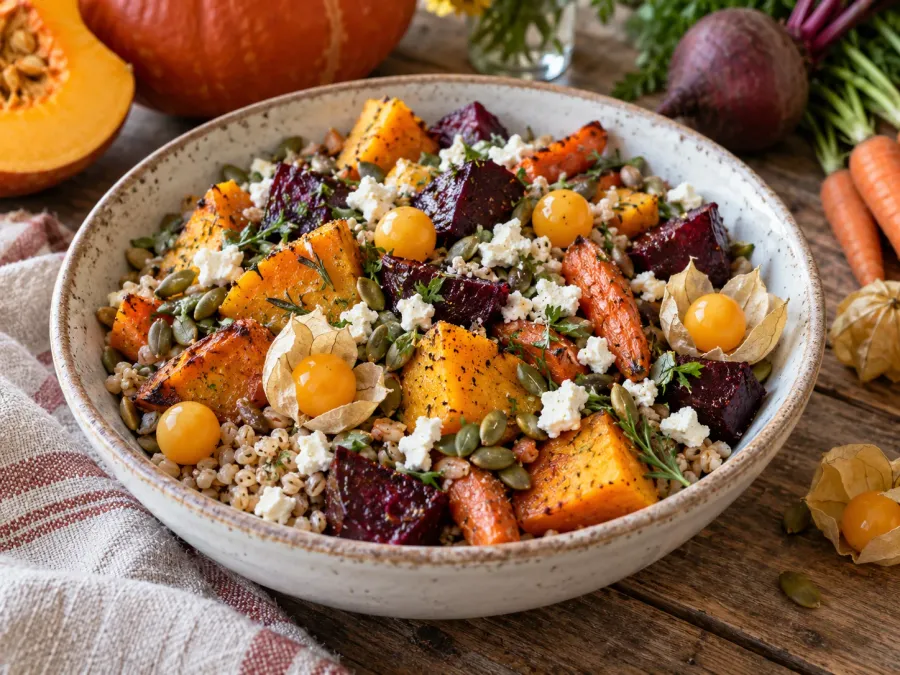
Roasted Pumpkin, Beet & Ground-Cherry Grain Bowls
Uses: reserved roasted Pumpkin · Beets · Carrots · Ground Cherries · optional Hakurei Turnips
Cook a grain of your choice — quinoa, farro, couscous, or rice — according to package directions. While it cooks, warm the reserved roasted pumpkin, and roast or steam the beets and carrots until tender.
Build bowls with the grain on the bottom, then the warmed pumpkin, beets, and carrots. Scatter a handful of husked ground cherries on top raw, for a fresh sweet-tart contrast — they don’t need cooking here. Crumble feta or goat cheese over the top and add pumpkin seeds for crunch, if using. A few thin raw slices of Hakurei turnip are a nice peppery addition too, if you’d rather not save all of them for Meal 3.
This is the whole point of roasting the full pumpkin earlier in the week — Meal 2 is mostly assembly.
Your pumpkin is already cooked. Just warm it and build the bowl around it.
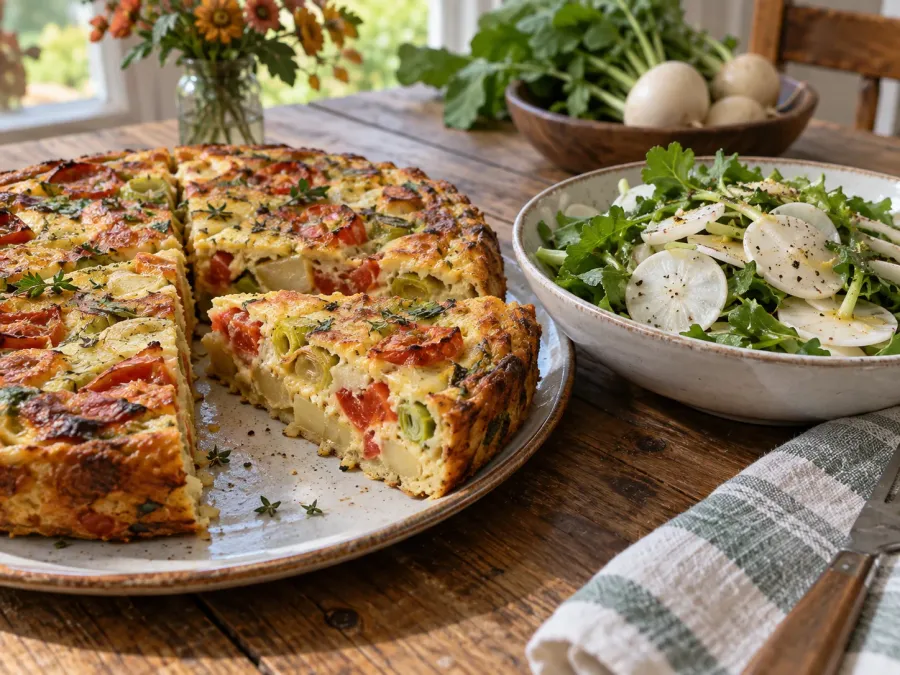
Tomato, Leek & Potato Frittata + Hakurei Turnip Salad
Uses: Cherry and/or Slicer Tomatoes · Leek · Potatoes · Eggs · Hakurei Turnips
Boil or pan-fry diced potatoes until just tender. Sauté sliced leek in olive oil until soft, then add the potatoes back in. Whisk 6–8 eggs with salt and pepper, pour over the potatoes and leek in an oven-safe pan, and arrange sliced tomatoes on top. Cook over low heat until mostly set, then finish under the broiler or in a 375°F oven for 8–10 minutes until puffed and set through.
While the frittata finishes, make a simple salad: thinly slice or julienne the Hakurei turnips, toss with a little olive oil, vinegar, salt, and fresh herbs if you have them. Serve alongside — this is a good way to eat the turnips raw rather than roasting everything this week.
Some nights don’t call for a new recipe at all.
Busy Parent Backup
For the night nobody has the energy for anything interesting.
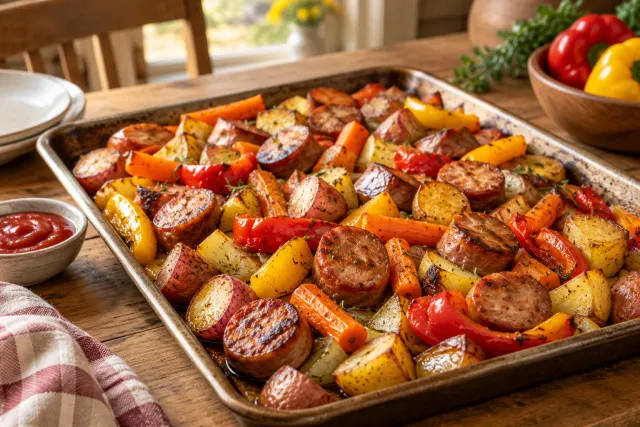
Sausage + Potato + Carrot + Pepper Dinner
Section titled “Sausage + Potato + Carrot + Pepper Dinner”About 35 MIN
Cut the potatoes, carrots, and sweet peppers into similar-sized pieces, add your family’s favourite sausages, toss everything with a little oil and seasoning, and cook until browned and cooked through.
Oven: Roast at 400°F on a sheet pan, turning once, for about 30–35 minutes, depending on how small you cut things and the type of sausage.
Air fryer: Timing depends on your appliance and how big you cut everything, so check rather than clock-watch. Add the potatoes and carrots first since they take longer, and add the peppers partway through so they don’t overcook.
Either way, cook the sausage to a safe internal temperature for the type you’re using, and cook the vegetables until they’re tender and browned.
Put ketchup on the table. Dinner is done.
For a fuller version of this idea, see Sheet Pan Italian Sausage & Veggies.
One Grocery List
Section titled “One Grocery List”Cold Springs Organics
Week 14 — September 10 & 12, 2026
This Week, Handled
- Pumpkin, Chicken & Leek Pasta Bake
- Roasted Pumpkin, Beet & Ground-Cherry Grain Bowls
- Tomato, Leek & Potato Frittata + Hakurei Turnip Salad
- Busy Parent Backup — Sausage, Potato, Carrot & Pepper Dinner
One Grocery List
Open this on your phone at the store.
Already in Your Bin
Hakurei Salad Turnips · Carrots · Potatoes · Sweet Peppers · Onions · Leeks · Pie Pumpkin · Cherry Tomatoes and/or Slicer Tomatoes · Ground Cherries · Beets
This list covers the three core meals. It doesn’t include the Busy Parent Backup — that one’s built entirely from bin vegetables plus your family’s usual sausage, picked up separately. Designed for about 4 people. Adjust quantities for your household.
Buy This
Produce
Protein
Dairy
Pantry / Grains
Check Your Pantry
Your checked items are saved on this device. Saved on this device only.
Prep Once, Benefit Twice
Section titled “Prep Once, Benefit Twice”Prep Once, Benefit Twice
Roast the whole pumpkin once. Tonight's pasta bake uses some — the rest is already cooked and waiting for Meal 2.
Roast the Whole Pie Pumpkin — during Meal 1, roast the entire pumpkin, not just what tonight’s bake needs. Scoop out the portion the recipe calls for, then refrigerate the rest before you sit down to eat.
Meal 2 Is Mostly Done Already — by the time you’re ready for the grain bowls, the pumpkin is already roasted and cooked. All that’s left is warming it and building the rest of the bowl around it.
Do This When You Unpack
Section titled “Do This When You Unpack”About 10 minutes.
Do This When You Unpack
Ten minutes now makes the rest of the week easier.
- Carrots — remove the tops first. Cut or twist off the leafy tops when you unpack the box. The greens keep pulling moisture from the roots, so separating them helps the carrots stay crisp longer. Refrigerate the roots, unwashed, in a produce bag in the crisper. If the tops are fresh, they’re edible — treat them like flat-leaf parsley for pesto, sauces, soups, or as a herb-like green.
- Keep the tomatoes on the counter, not the fridge — stem-side down, out of direct sun. Cold ruins their flavour and texture.
- Trim and refrigerate the Hakurei turnips — if greens are attached, separate them and use within a few days; the roots hold much longer.
- Refrigerate the leeks, unwashed, in the crisper.
- Sweet peppers — if a pepper has already started changing colour, you can leave it on the counter a little longer to keep colouring; once it reaches the colour you want, or if you won’t use it soon, move it to the crisper. Fully green peppers won’t necessarily colour up indoors — refrigerate those.
- Check the ground cherries — leave them in their husks; they’ll hold for weeks that way. Just check periodically for any that have softened.
- Set the pie pumpkin, potatoes, and onions in a cool, dark spot — not the fridge. Beets can go straight into the crisper whenever you’re ready.
❄️ A Little Favour for Your January Self
Section titled “❄️ A Little Favour for Your January Self”❄️ A Little Favour for Your January Self
Cherry tomatoes freeze beautifully — you don't have to eat all of this week's at once.
Tomatoes have been showing up week after week, and there’s no rule that says they all have to be eaten fresh right now. Freezing a handful of cherry tomatoes takes a few minutes and pays off in January.
- Wash the cherry tomatoes and remove the stems.
- Dry them thoroughly — moisture is what causes clumping in the freezer.
- Freeze them first on a tray, spread out so they stay loose.
- Once frozen solid, transfer them to a freezer bag or container.
They won’t have fresh-tomato texture once thawed, and that’s fine — treat them as an ingredient for cooked dishes: pasta sauces, soups and stews, sautéed with garlic and herbs, or tossed into roasted vegetables.
It’s January. You pull a handful of your September tomatoes from the freezer and cook them with olive oil, garlic, and herbs. CSA abundance doesn’t always have to be used immediately — sometimes the best use of a good crop is to save some of it for later.
Want to Do Something Different?
Section titled “Want to Do Something Different?”The plan above is just one easy way through the week. Everything below is the usual VeggieVault library — bin contents, storage tips, more recipes, and videos.
What’s in Your Bin
Section titled “What’s in Your Bin”| Crop | |
|---|---|
| ⚪ | Hakurei Salad Turnips |
| 🥕 | Carrots |
| 🥔 | Potatoes |
| 🫑 | Sweet Peppers |
| 🧅 | Onions |
| 🥬 | Leeks |
| 🎃 | Pie Pumpkin |
| 🍅 | Cherry Tomatoes and/or Slicer Tomatoes |
| 🟡 | Ground Cherries |
| 🟣 | Beets |
Use These First — Days 1–2
Section titled “Use These First — Days 1–2”The most time-sensitive items in the bin.
| Crop | Why |
|---|---|
| 🍅 Cherry and/or Slicer Tomatoes | The most perishable thing in the box this week — see A Little Favour for Your January Self above for freezing extras. |
Mid-Week — Days 3–5
Section titled “Mid-Week — Days 3–5”Hold a few more days but best used before the end of the week.
| Crop | Notes |
|---|---|
| ⚪ Hakurei Salad Turnips | Milder and more delicate than storage turnips — best used within about a week. |
| 🫑 Sweet Peppers | If yours has already started changing colour, a short spell on the counter lets it finish; otherwise refrigerate in the crisper. Keeps 1–2 weeks but best used within the week. |
| 🥬 Leeks | Refrigerate unwashed; use within about 2 weeks. |
| 🟡 Ground Cherries | Keep in their husks; check periodically and enjoy when ripe. |
Save for Later — Days 5+
Section titled “Save for Later — Days 5+”The hardiest items in the bin — can stretch into next week if needed.
| Crop | Notes |
|---|---|
| 🥕 Carrots | Arriving with tops attached — remove the tops when you unpack, then refrigerate the roots in the crisper. One of the longest-lasting crops in the bin. |
| 🟣 Beets | Remove any greens and refrigerate roots separately — keeps up to 3 weeks. |
| 🥔 Potatoes | Cool, dark, and dry — never the fridge; keeps for weeks. |
| 🧅 Onions | Cool, dark, and dry — never the fridge; keeps for weeks. |
| 🎃 Pie Pumpkin | Cool, dry counter or shelf — keeps for weeks whole. |
Storage Tips
Section titled “Storage Tips”Item-by-item notes
Section titled “Item-by-item notes”- Hakurei Salad Turnips — refrigerate roots in a produce bag in the crisper. If greens are attached, separate them right away and use within a few days; the roots hold much longer.
- Carrots — your carrots arrive with their tops attached. Remove the tops when you unpack the box; the greens keep drawing moisture from the roots and make the carrots go limp faster. Refrigerate the roots unwashed, in a produce bag in the crisper drawer. The tops are edible if still fresh — use them like flat-leaf parsley for pesto, sauces, or soups. See the Carrot guide.
- Potatoes — cool, dark, well-ventilated place, never the fridge — cold temperatures change the texture.
- Sweet Peppers — refrigerate whole and unwashed in the crisper drawer. Some of this week’s peppers are picked once they have started changing colour but before they are fully coloured. If your pepper has already begun to turn, you can leave it on the counter for a short period to keep colouring; once it reaches the colour or ripeness you want — or if you’re not planning to use it soon — move it to the refrigerator. A fully green pepper won’t necessarily ripen further indoors, and counter storage isn’t meant to be indefinite.
- Onions — keep in a cool, dark, well-ventilated spot, not the fridge. Once cut, wrap tightly and refrigerate; use within a few days.
- Leeks — refrigerate unwashed, loosely wrapped, in the crisper drawer; use within about 2 weeks.
- Pie Pumpkin — store like winter squash: a cool, dry counter or shelf, not the fridge. Whole, it keeps for weeks to months.
- Cherry Tomatoes and/or Slicer Tomatoes — store at room temperature, stem-side down, out of direct sunlight. Never refrigerate. See A Little Favour for Your January Self above for what to do with extras.
- Ground Cherries — keep in their papery husks in a cool, dry place; refrigerate once husked.
- Beets — remove any attached greens and refrigerate roots separately in the crisper drawer.
Crisper note
Section titled “Crisper note”Turnips, carrots (tops removed first), sweet peppers, and beets all want the high-humidity crisper; leeks can go there too, loosely wrapped so their smell doesn’t transfer to other produce. Tomatoes are the exception — counter only, stem-side down, never the fridge. The pie pumpkin, potatoes, and onions belong in a cool, dark, dry spot instead of the fridge.
Recipe Ideas
Section titled “Recipe Ideas”Main Meals
Section titled “Main Meals”Pumpkin, Chicken & Leek Pasta Bake — pie pumpkin, leek, onion, and chicken in a creamy pasta bake. See This Week, Handled above. 55 min
Tomato, Leek & Potato Frittata — potatoes, leek, tomatoes, and eggs. See Meal 3 above. 35 min
Quick Wins
Section titled “Quick Wins”Roasted Pumpkin, Beet & Ground-Cherry Grain Bowls — built around Meal 1’s reserved pumpkin. See Meal 2 above. 20 min
Hakurei Turnip Salad — thin-sliced raw turnips with a light vinaigrette. See Meal 3 above.
Ground Cherries, Simply — husked and eaten fresh, straight off the counter. 5 min
Roasted Carrots — toss with oil and salt, roast at 425°F (220°C) for 20–25 minutes. See How to Cook It on the Carrot guide. 25 min
Sautéed Peppers and Onions — slice thin and cook low and slow until soft and sweet. See How to Cook It on the Peppers guide. 12 min
Roasted Beets — wrap whole in foil and roast at 400°F (200°C) for 45–60 minutes until fork-tender. See How to Cook It on the Beets guide, or try Air Fryer Beets for a faster version.
Make Ahead
Section titled “Make Ahead”Pickled Turnips — quick-pickled Hakurei turnips with beets for colour and crunch. See the Pickled Turnips recipe. 15 min · External
Quick Vinaigrette — olive oil, vinegar, Dijon mustard, salt, and pepper, shaken together. Make a double batch and use it for the turnip salad in Meal 3, or anywhere else that needs a quick dressing.
→ Winter Squash Guide · → Leeks Guide · → Turnips Guide · → Onions Guide
Still Have Something Left?
Section titled “Still Have Something Left?”A few days in, still have some of this around? Here’s the fast way to use it up.
- Potatoes — no rush, these keep for weeks in a cool, dark spot. See the Potatoes guide.
- Carrots — one of the longest-lasting items in the bin (with the tops removed on unpacking); roast, snack raw, or add to soups. See the Carrot guide.
- Onions — keeps for weeks in a cool, dark spot; use a little anywhere that needs flavour.
- Beets — no rush, these keep for weeks. See the Beets guide.
- Pie Pumpkin — if you haven’t roasted it yet, it will hold on the counter for weeks. See the Winter Squash guide.
- Leeks — use within about 2 weeks; great in soups or braised on toast. See the Leeks guide.
- Sweet Peppers — roast, sauté, add to eggs or pasta, or freeze. See the Peppers guide.
- Hakurei Salad Turnips — the most delicate root left in the fridge; use it raw in a salad or slaw next. See the Turnips guide.
- Cherry Tomatoes and/or Slicer Tomatoes — slice for sandwiches and salads, or freeze the cherry tomatoes for winter cooking — see the freezing tip above.
- Ground Cherries — husk and eat as a snack while they’re at their best. See the Ground Cherries guide.